Non-Surgical Spinal Decompression in Greenville, SC
Henry Clinic provides non-surgical spinal decompression therapy for patients from Greenville, Greer, Simpsonville, Taylors, Easley, Travelers Rest, and surrounding Upstate South Carolina communities.
Conservative spine-focused care for herniated discs, sciatica, degenerative disc disease, chronic neck pain, and low back pain.
Serving Greenville Since 2006 • Non-Surgical Spine & Disc-Focused Care • Chiropractic, Decompression & Adjunct Therapies

Conditions Commonly Evaluated
Spinal decompression therapy may help reduce pressure on injured spinal discs and irritated nerves associated with chronic spine-related pain conditions.
Herniated Discs
Disc injuries associated with neck pain, low back pain, numbness, or radiating nerve symptoms.
Bulging Discs
Conservative decompression aimed at reducing pressure on affected spinal structures.
Sciatica
Sciatic nerve irritation associated with lumbar disc dysfunction and nerve compression.
Degenerative Disc Disease
Chronic degenerative changes affecting mobility, flexibility, and spinal stability.
Chronic Neck & Back Pain
Conservative care options for chronic cervical and lumbar spine-related conditions.
Facet Syndrome
Joint-related spinal pain associated with degenerative changes and inflammation.
Why Patients Explore Spinal Decompression
Many patients considering spinal decompression have already tried medications, physical therapy, injections, or traditional conservative care without achieving lasting symptom improvement.
Trying to Avoid Surgery
Some patients explore conservative options before considering spinal surgery or invasive procedures.
Recurring Disc Flare-Ups
Chronic episodes of neck pain, low back pain, or sciatica associated with spinal disc dysfunction.
Pain While Sitting or Driving
Disc-related symptoms are often aggravated by prolonged sitting, bending, lifting, or driving.
Numbness & Tingling
Irritated spinal nerves may contribute to radiating symptoms into the arms or legs.
Failed Prior Treatment
Some patients pursue decompression after limited improvement with other conservative approaches.
Chronic Sciatica
Lumbar disc problems may contribute to sciatic nerve irritation, leg pain, numbness, or weakness.
How Spinal Decompression Works
Spinal decompression is a non-invasive therapy that uses controlled mechanical traction to help reduce pressure on spinal discs and surrounding nerves.
Henry Clinic utilizes computerized decompression systems incorporating IDD Therapy® and Accu-Spina technology designed to provide precise, controlled spinal decompression as part of conservative spine care.
Treatment goals may include supporting improved disc hydration, nutrient exchange, mobility, and reduced mechanical stress on irritated spinal structures.
MRI Findings Presented in Professional Education Programs
The following MRI studies were included in postgraduate continuing education programs and case presentations authored by Dr. Henry. These examples demonstrate imaging changes observed following conservative spinal decompression care.
These imaging studies are presented for educational purposes. Individual results vary, and MRI changes are not expected in every case. No guarantee of specific clinical or imaging outcomes is made.

Cervical MRI before and after nonsurgical spinal decompression care.

Lumbar MRI before and after conservative spinal decompression care.
What to Expect During Care
Our approach focuses on conservative, non-surgical care tailored to each patient's condition and goals. Patients recovering from motor vehicle accidents with disc injuries are among those who may benefit from spinal decompression.
Evaluation
Review of symptoms, history, imaging, and examination findings.
Treatment Planning
Development of an individualized decompression and supportive care plan.
Conservative Treatment
Care may include spinal decompression, chiropractic care, rehabilitation strategies, adjunct therapies, laser therapy, cryotherapy, and therapeutic exercise.
Progress Monitoring
Ongoing evaluation and adjustment of treatment as recovery progresses.
Patient Experiences
Individual experiences vary. Testimonials shown are from actual patients. View additional patient experiences.
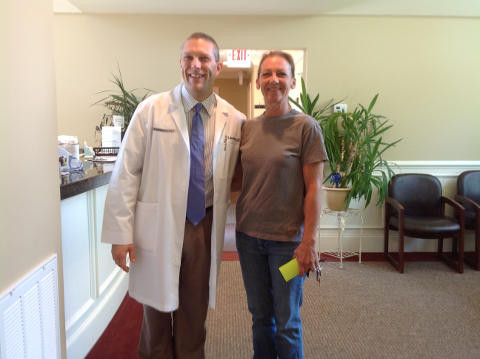
"I'm 100% better than I was 6 weeks ago. I'm actually sleeping again."Mindy Lamb

"I avoided surgery. The key is to be persistent."Jason Shenton
"Now I'm pain free with 90% of the strength back in my right arm."Randall Arnold
"After six weeks of decompression therapy I feel great!"Pat Pearson
Frequently Asked Questions
What is non-surgical spinal decompression?
Non-surgical spinal decompression uses computerized mechanical traction designed to reduce pressure on spinal discs, facet joints, and irritated nerves.
Is spinal decompression surgery?
No. Spinal decompression is a conservative, non-surgical therapy performed using FDA-cleared medical devices and established procedures.
How long does treatment take?
Many patients complete care within approximately 6 to 8 weeks, although treatment recommendations vary depending on the condition.
Will insurance cover spinal decompression?
Medicare and many commercial insurance plans generally do not cover non-surgical spinal decompression therapy. Many patients use HSA or FSA funds for spinal decompression therapy.
Detailed Information About Decompression Therapy
Spinal decompression therapy at Henry Clinic is performed using computerized IDD Therapy® protocols designed to target specific spinal levels associated with disc-related pain conditions.
Treatment is commonly considered for patients experiencing disc herniations, bulging discs, degenerative disc disease, chronic neck pain, low back pain, facet syndrome, and sciatica.
The established protocol often involves approximately 20 treatments over 6 to 8 weeks for chronic conditions, although acute conditions may respond more quickly.
Dr. Henry frequently incorporates decompression alongside chiropractic care, laser therapy, rehabilitation strategies, electrical stimulation, cryotherapy, orthotics, and therapeutic exercise when clinically appropriate.
Who May Not Be a Candidate?
Certain spinal conditions may require alternative treatment approaches, advanced imaging, or referral for surgical evaluation.
Progressive Neurological Loss
Significant weakness, progressive nerve loss, or severe neurological deficits require immediate evaluation.
Cauda Equina Syndrome
Loss of bowel or bladder control associated with severe spinal compression is considered a medical emergency.
Fusion Hardware
Certain spinal surgeries or implanted hardware may limit decompression treatment options.
Spinal Instability
Some instability conditions may require additional imaging or further medical evaluation by a spine surgeon.
Fracture or Severe Structural Damage
Acute fractures and certain structural abnormalities are generally not appropriate for decompression therapy.
Surgical Referral When Necessary
Dr. Henry refers patients for orthopedic, neurosurgical, or pain management evaluation when appropriate.
Research & Professional Education
Dr. Henry has presented postgraduate educational programs on non-surgical spinal decompression for Parker University, National University of Health Sciences, Sherman College, South Carolina Chiropractic Association events, MUSC spine conferences, and continuing education programs nationwide.
-
Henry L. Non-surgical spinal decompression in post-traumatic syringomyelia:
a case report. JCC. 2024;7(1):102-105.
View publication -
Henry L. Non-surgical spinal decompression an effective physiotherapy modality
for neck and back pain. J Nov Physiother Phys Rehabil. 2017;4(3):62-65.
View publication -
Henry L. Nonsurgical spinal decompression of lumbar disc herniation:
a case report and proposed multimodal chiropractic treatment approach.
The Internet Journal of Chiropractic. 2015;4(1).
View publication - Qaseem A, Wilt TJ, McLean RM, Forciea MA. Noninvasive Treatments for Acute, Subacute, and Chronic Low Back Pain: A Clinical Practice Guideline from the American College of Physicians. Ann Intern Med. 2017;166:514-530.
- Fritz JM, Lindsay W, Matheson JW, et al. Is there a subgroup of patients with low back pain likely to benefit from mechanical traction? Spine. 2007;32:E793-800.
- Demirel A, Yorubulut M, Ergun N. Regression of lumbar disc herniation by physiotherapy. J Back Musculoskelet Rehabil. 2017.
Find Out Whether You're a Candidate
Schedule a consultation to determine whether non-surgical spinal decompression may be appropriate for your condition.
Contact Henry ClinicDisclosure: Testimonials shown are from actual patients. Individual results vary. No guarantee or assurance of specific outcomes is made.